


Chronic pain affects millions of people in the United States of America. It can make daily tasks difficult and lower your quality of life. While medications and therapies help, managing chronic pain often requires a complete plan. This guide will show you safe, practical, and proven ways how to manage chronic pain effectively.
What Is Chronic Pain?
Pain is considered chronic when it persists for more than three months. It can come from different conditions, including:
- Arthritis
- Nerve damage
- Fibromyalgia
- Back or joint problems
Learn more about chronic pain and how it affects the body from the National Institute of Neurological Disorders and Stroke.
Chronic pain is more than a physical problem. It can disturb your sleep, affect your mood, and impact your overall health. Learning about your pain is the first step to managing it successfully.
How to Manage Chronic Pain with Medications
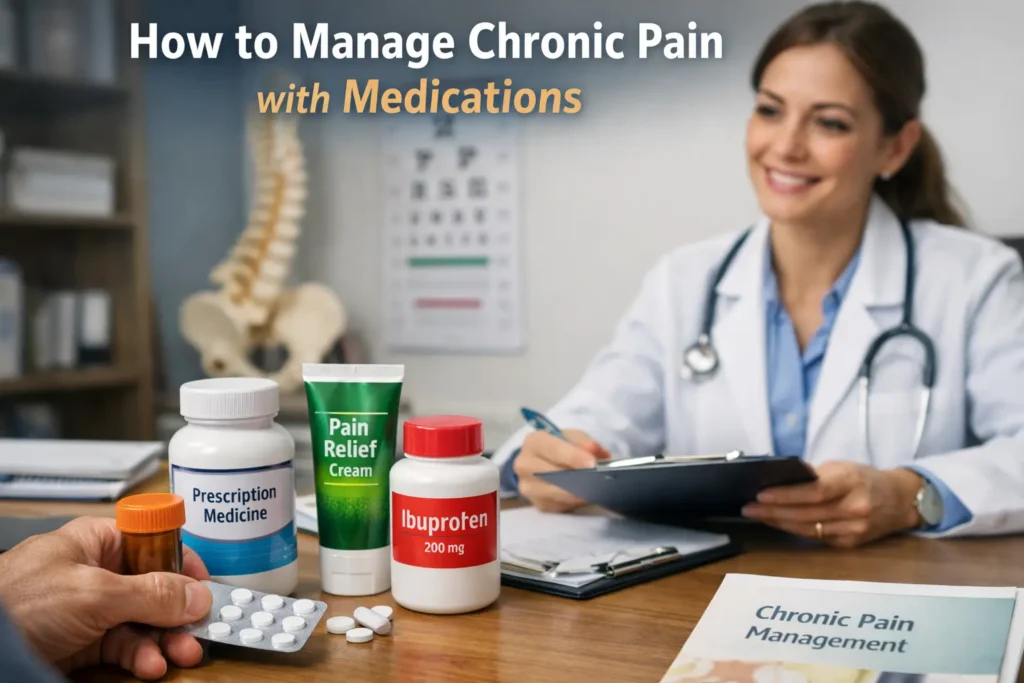
Medications are often the first step in reducing pain. Options include:
- Over-the-counter pain relievers: Like acetaminophen or ibuprofen.
- Prescription medications: Such as gabapentin, pregabalin, or opioids in severe cases.
- Topical creams and patches: Applied directly to painful areas.
Always follow your doctor’s advice. Using medications incorrectly can cause side effects. Regularly consulting your doctor is essential for managing your health. For more detailed guidance, check out chronic pain management tips from Mayo Clinic to complement your treatment plan.
How to Manage Chronic Pain with Injections and Procedures
Some treatments work better when applied directly to the problem area. These include:
- Nerve blocks: Reduce pain signals from specific nerves.
- Steroid injections: Decrease inflammation and swelling.
- Radiofrequency ablation: Uses heat to stop pain signals.
These treatments provide temporary relief and may need repeating. Always discuss the benefits and risks with a pain specialist.
How to Manage Chronic Pain with Surgery
When other treatments fail, surgery may help. Options include:
- Spinal surgeries: For example, lumbar disc decompression.
- Joint replacements: Especially for arthritis or severe joint pain.
- Implanted devices: Like spinal cord stimulators that block pain signals.
Surgery has risks. Always consult your doctor and consider a second opinion before deciding.
Natural Ways to Manage Chronic Pain
Lifestyle changes can reduce pain naturally.
- Exercise regularly: Gentle activities like walking, swimming, or yoga reduce stiffness.
- Healthy diet: Anti-inflammatory foods, such as fruits, vegetables, and fish, can help.
- Sleep well: Aim for 7–8 hours per night to improve healing.
- Manage stress: Meditation, deep breathing, or mindfulness can lower pain perception.
Making these minor adjustments consistently can lead to significant improvements.
Physical Therapy and Rehabilitation
Physical therapy strengthens muscles and improves flexibility. Techniques include:
- Stretching and mobility exercises
- Strength training
- Posture correction
- Heat, ice, or ultrasound therapy
Regular therapy prevents flare-ups and keeps your body moving comfortably.
Mental Health and Chronic Pain
Chronic pain can affect your emotions and mental well-being. Ways to cope include:
- Counseling or therapy: Cognitive-behavioral therapy (CBT) helps manage pain-related stress.
- Support groups: Connect with others experiencing similar challenges.
- Mind-body techniques: Meditation, guided imagery, or relaxation exercises.
Addressing your mental health is essential for long-term pain management.
Tips for Daily Life with Chronic Pain
Small daily strategies make life easier:
- Plan your day: Do important tasks when energy is highest.
- Use adaptive tools: Canes, braces, or ergonomic chairs reduce strain.
- Take breaks: Short rests prevent fatigue and flare-ups.
- Track your pain: Journaling helps identify triggers and effective strategies.
FAQs: How to Manage Chronic Pain?
What is chronic pain and how is it different from normal pain?
Chronic pain lasts longer than three months and can continue even after an injury heals. Unlike normal pain, it affects daily life, sleep, mood, and overall health.
What are the most effective medications to manage chronic pain?
Over-the-counter pain relievers like acetaminophen or ibuprofen, prescription drugs like gabapentin or pregabalin, and topical creams can help reduce chronic pain when used correctly under a doctor’s guidance.
Can injections or procedures help manage chronic pain?
Yes. Treatments like nerve blocks, steroid injections, and radiofrequency ablation target the problem area and reduce pain signals. They provide temporary relief and are best done under a specialist’s supervision.
How can lifestyle changes help manage chronic pain naturally?
Regular exercise, a healthy anti-inflammatory diet, good sleep habits, and stress management techniques like meditation or mindfulness can reduce pain and improve quality of life.
What daily habits can help manage chronic pain effectively?
Planning your day, using adaptive tools, taking short breaks, and tracking your pain can make daily life easier and reduce flare-ups.
Conclusion: Living Better While Managing Chronic Pain
Managing chronic pain requires a combination of medical treatments, lifestyle changes, and mental health care. Medications, procedures, natural strategies, and support can help you regain control of your life.
Remember, managing pain is a journey. There is no quick fix, but small, consistent steps lead to better results. Work closely with your healthcare provider to create the best plan for you.
Ready to take control of your chronic pain? Explore our full pain management resources and learn more tips to improve your daily life safely and effectively.

