

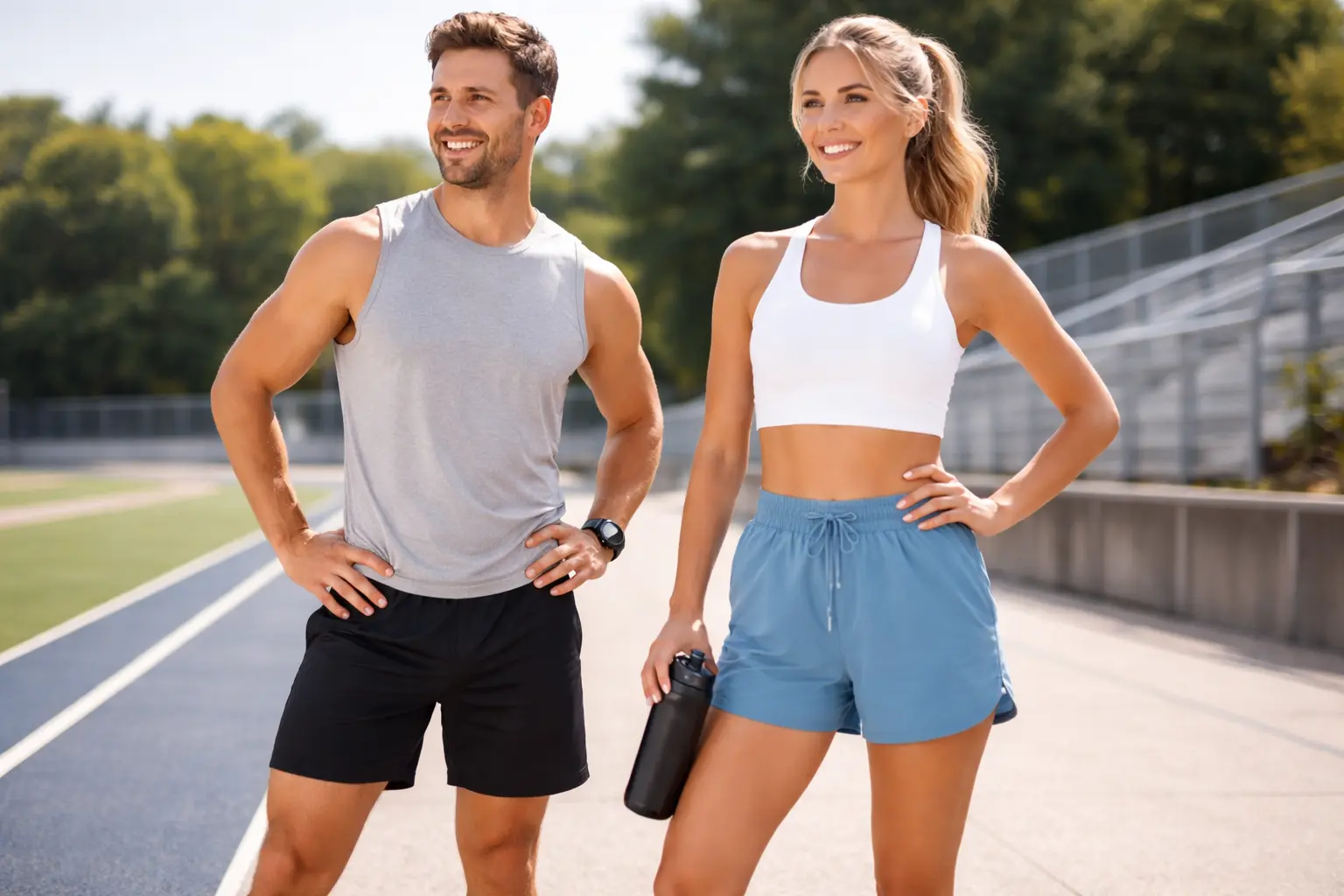
Choosing the right athletic shorts is important for comfort, performance, and confidence. Athletic shorts should support your movement without feeling tight or restrictive. The right fit helps prevent chafing, improves airflow, and allows you to focus on your workout.
This complete guide explains how athletic shorts should fit, including length, waistband, leg openings, fabrics, and inseam. The advice is practical, easy to follow, and suitable for everyday training.
Why Proper Fit Matters in Athletic Shorts
Athletic shorts are designed for movement. A poor fit can cause discomfort, limit motion, and distract you during exercise. Shorts that fit well support your body, stay in place, and feel light throughout your workout.
The right fit also helps regulate body temperature and reduces skin irritation.
How Athletic Shorts Should Fit Overall
Athletic shorts should sit comfortably at the waist without digging into the skin. They should allow full movement of the legs and hips. The fabric should stretch easily and return to its shape after movement.
You should feel secure, not squeezed. At the same time, the shorts should not feel loose or slide down while moving.
Athletic Shorts Length Guide

Ideal Length for Most Activities
For most people, athletic shorts should fall a few inches above the knee. This length offers a balance of coverage and freedom of movement. It works well for running, gym workouts, and general training.
Shorts that are too long may restrict movement. Shorts that are too short may feel uncomfortable for some activities.
Choosing Length Based on Activity
Different sports require different lengths.
- Shorter lengths work well for running and high-intensity workouts
- Medium lengths are ideal for gym training and daily exercise
- Longer lengths may suit basketball or casual wear
Always choose a length that feels natural for your activity.
Waistband Fit and Comfort
How the Waistband Should Feel
The waistband should sit flat against your waist. It should feel secure but not tight. You should be able to move, bend, and breathe comfortably.
If the waistband leaves deep marks or feels restrictive, the shorts are too tight. If it slides down during movement, the shorts are too loose.
Elastic and Drawstring Features
Most athletic shorts use elastic waistbands with drawstrings. This design allows you to adjust the fit based on your body shape.
A good waistband holds its shape and stays in place during movement.
Thigh and Leg Opening Fit
Proper Leg Opening Size
The leg openings should allow your thighs to move freely. They should not cling tightly or flare out too much.
A proper fit creates a clean look and prevents the shorts from riding up during exercise.
Movement and Breathability
You should be able to squat, run, and stretch without feeling resistance. Breathable fabrics around the leg openings help reduce heat and sweat buildup.
Inseam Length Explained
What Is Inseam
The inseam is the length from the crotch seam to the bottom hem of the shorts. It affects both comfort and appearance.
Short inseams allow more mobility. Longer inseams offer more coverage.
Choosing the Right Inseam
Inseam length depends on height, body shape, and personal preference.
- Short inseams are common for runners
- Medium inseams suit gym training
- Longer inseams work well for casual sports
Check size charts to find the inseam that fits you best.
Best Fabrics for Athletic Shorts
Fabric choice plays a major role in comfort.
Good athletic shorts are made from lightweight and breathable materials. Common options include polyester, nylon blends, and spandex.
These fabrics offer stretch, moisture control, and durability. They help keep you dry and comfortable during workouts.
Lined vs Unlined Athletic Shorts
Some athletic shorts include a built-in liner for extra support. Liners can reduce friction and improve comfort.
Unlined shorts offer more flexibility and are often preferred for casual workouts. The best option depends on personal comfort and activity type.
Signs Your Athletic Shorts Do Not Fit Properly
You may need a different size or style if:
- The waistband slides down during movement
- The shorts ride up or twist
- The fabric feels tight across the thighs
- You notice frequent chafing
A good fit should feel natural and secure.
How to Measure for the Best Fit
Before buying athletic shorts, measure your waist and thighs. Use a flexible measuring tape and compare your measurements with the brand’s size chart.
Trying shorts on and moving around is the best way to test the fit.
FAQs
How should athletic shorts fit at the waist?
Athletic shorts should sit snug at the waist without digging in or sliding down during movement.
How long should athletic shorts be?
Athletic shorts should usually fall a few inches above the knee for comfort and easy movement.
Should athletic shorts be tight or loose?
They should feel secure but not tight, allowing full movement without restriction.
What inseam length is best for athletic shorts?
The best inseam depends on activity and height, but most people prefer a short to medium inseam.
Are lined athletic shorts better?
Lined shorts offer extra support and reduce chafing, while unlined shorts provide more flexibility.
What fabric is best for athletic shorts?
Lightweight, breathable fabrics like polyester, nylon blends, and spandex are best for workouts.
Conclusion
Athletic shorts should fit comfortably at the waist, allow free movement in the legs, and feel lightweight during activity. The right length, inseam, and fabric all play an important role in performance and comfort.
Choose athletic shorts that match your activity, body type, and personal preference. A proper fit helps you move better, feel confident, and focus on your workout.

